Property comfort in the UAE
One system, both seasons, less clutter on the walls
UAE homes deal with 45°C summers and cool desert evenings in January. An integrated heating and cooling system handles both from a single indoor and outdoor package, instead of stacking separate boxes for each job.
Most people who buy or build a property in the UAE start with a simple question: what do we install for the air? For years the default answer was two separate answers, an air-conditioning system for the long hot months and, if the villa sat somewhere cooler like Al Ain or a hillside plot in Ras Al Khaimah, a small heater or two for the short winter. That patchwork still works, but it is no longer the smart pick for a modern home.
An integrated climate system does both jobs from the same equipment. The same indoor units that push cool air in August push warm air in January. One controller, one service contract, one aesthetic on the wall. For property owners who care about how the interior looks and how the building performs, that shift changes the whole conversation.
Separate units versus one integrated system
Separate AC and heating
- Two sets of equipment to buy, install, and maintain.
- Different remotes, different apps, different failure points.
- Extra boxes on walls and ceilings, visible pipes, mismatched vents.
- Localised comfort: one room warm, the next room cold.
- Higher combined footprint on the electrical load.
Integrated heating and cooling
- One system covers summer cooling and winter warming.
- Single controller or smartphone app for every zone.
- Fewer wall units, cleaner interior lines.
- Balanced airflow from multiple diffusers, not one loud box.
- Built-in automation holds the set temperature on its own.

The hidden cost of a patchwork setup
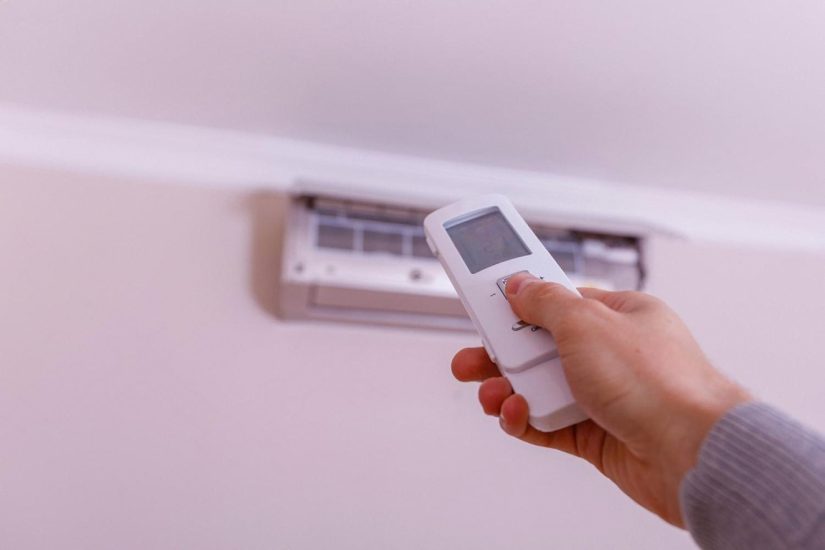
Different brands and different eras of equipment usually mean different service intervals, different filter sizes, and different technicians. That is where the frustration in the photo starts.
Why the numbers favour integration
Cooling dominates household energy use in the Emirates. According to the UAE energy profile residential air conditioning is the single largest end-use of electricity in the country. When your climate equipment already carries that load, adding a second, separate heating system for a handful of cool weeks a year is money spent twice.
An integrated unit, typically a heat pump or a reversible VRF system, reuses the same refrigerant loop for both directions. You pay once for the pipework, once for the outdoor condenser, and once for the installation labour. For a villa in Dubai Hills or an apartment in Abu Dhabi, that is a meaningful difference on the initial invoice and on the annual service bill.
How the air actually feels in the room
This is the part most brochures skip. A single wall-mounted split unit throws cold air from one corner of the room. Sit under it, you freeze. Sit across from it, you sweat. Now scale that problem to a four-bedroom villa with a hallway, a majlis, and a two-storey stairwell. The gap between the coldest and warmest spot can hit five or six degrees.
Integrated systems solve this with distributed diffusers. Instead of one loud fan blasting from a single grille, four or six smaller vents share the work across the ceiling. In heating mode the same vents deliver warm air from the top, which is gentler than a portable radiator warming your feet while your shoulders stay cold. If you need a short-term backup during a service visit or a renovation, a portable air cooler rental can bridge the gap, but for the day-to-day feel of the home the distributed setup is what you want.
Air that arrives from several points at once feels like weather. Air that hammers you from one corner feels like a machine.
Note from a Dubai villa handover
The look of the interior matters
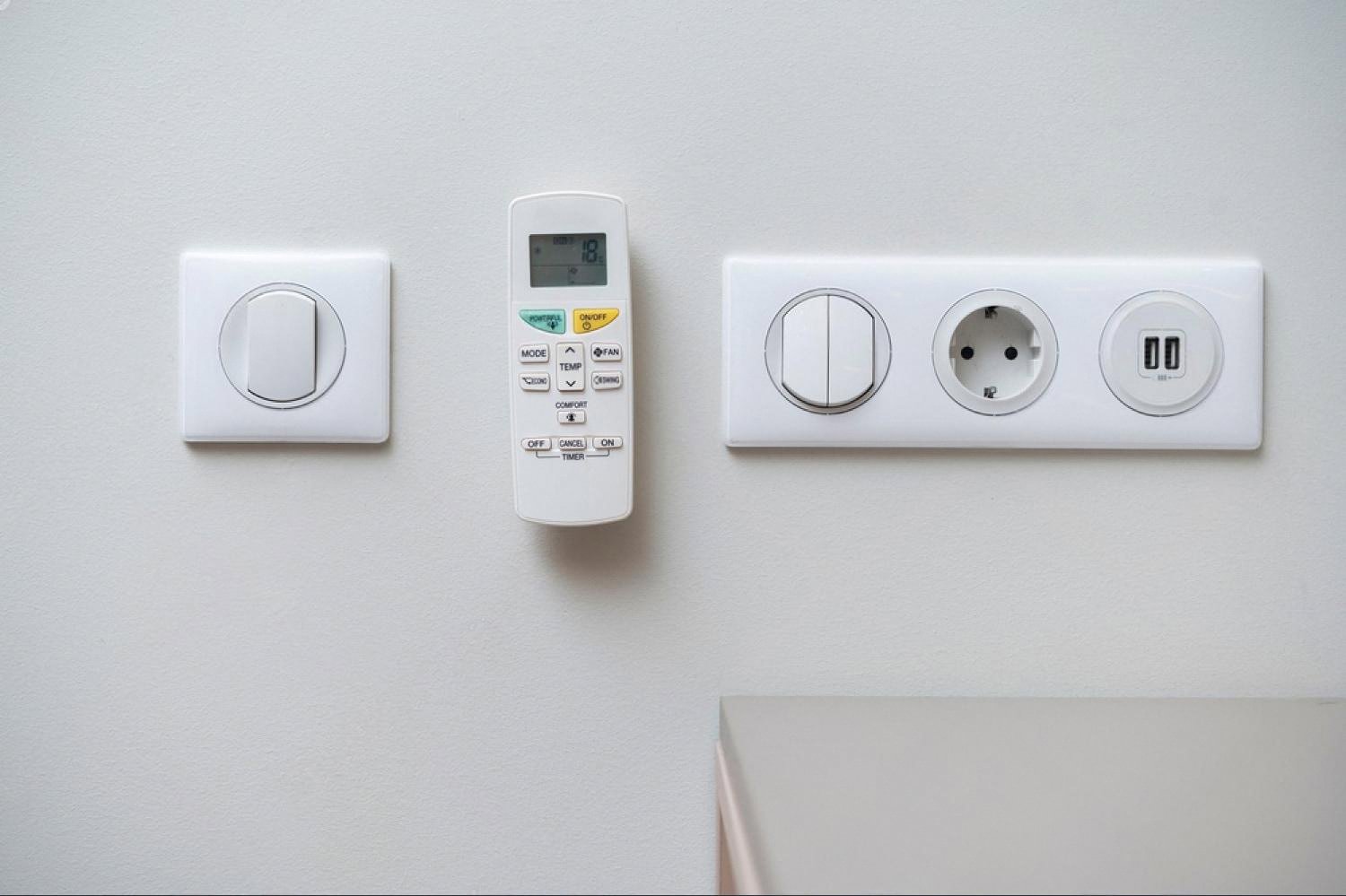
Ask any interior designer working on high-end UAE properties what they fight most and they will say visible equipment. Wall-mounted split heads, floor-standing heaters, thermostats scattered like postage stamps: it adds up. An integrated system pushes almost all of that out of sight. Ducted indoor units live above the ceiling. The only thing on the wall is a slim controller or a smart panel.
For owners who plan to rent, sell, or photograph the property, that clean visual is not a small thing. It reads as new, thoughtful, and expensive, even when the underlying spend is comparable to the patchwork alternative.
Three benefits that pay you back over time
Automation you actually use
Set a target temperature per zone and the system holds it. Bedrooms cool down before bedtime, living areas warm up before Friday breakfast, all without touching a remote.
Simpler maintenance
One system, one contractor, one annual service. Filter changes and refrigerant checks happen on a single visit instead of chasing two different technicians.
Better resale story
Buyers in Dubai, Sharjah, and Abu Dhabi increasingly ask about energy ratings and smart controls. An integrated system gives you a clear answer instead of a list of legacy appliances.
The short version
One system, one controller, one clean interior
You can still install cooling and heating as two projects. In a UAE climate, where cooling runs eight or nine months a year and the winter needs are modest, combining them under one integrated system is usually the calmer, cleaner, and cheaper choice over the life of the property.
Frequently asked questions
Do I really need heating in a UAE property?
For most of the year, no. But between December and February, night temperatures in Dubai and Abu Dhabi routinely drop into the low teens, and inland areas like Al Ain or higher elevations in Ras Al Khaimah go lower. If your villa has marble floors, tall ceilings, or poor insulation, the mornings feel genuinely cold. An integrated system gives you the option without extra hardware.
Is an integrated system more expensive than separate AC and heaters?
The upfront hardware cost is usually similar, sometimes slightly higher for the outdoor unit. Where you save is on installation labour, ductwork, and long-term maintenance, because everything shares one refrigerant loop and one service contract.
Over five to seven years, most owners end up ahead with the integrated approach, especially if they were going to pay a designer to hide the extra equipment anyway.
Can I retrofit an integrated system into an older UAE villa?
Yes, in most cases. Ducted or VRF systems can be added during a renovation when ceilings are opened up. If a full retrofit is not practical, cassette or slim-duct indoor units can replace existing wall splits room by room while still running off one reversible outdoor unit.
How much does an integrated system reduce electricity bills?
Savings depend on the property size, insulation, and how the previous setup was rated. Modern inverter-based heat pumps are significantly more efficient than older on/off split units, and the built-in zoning stops you from cooling empty rooms. Owners typically see meaningful reductions on their DEWA or ADDC bills, though the exact figure varies household by household.
What happens if the integrated system breaks down?
A well-designed system has zones, so a fault in one indoor unit does not shut down the whole home. During major service work, many owners bring in a temporary cooling unit for a few days to cover the busiest room. Annual maintenance contracts, which are standard in the UAE, keep unplanned failures rare.
Is it worth the switch for an apartment, or only for villas?
Apartments benefit too, especially larger units and duplexes. In many new UAE towers the base system is already a form of integrated climate control fed from the building. For older apartments with wall splits, a single reversible multi-split can replace several units with one tidy setup.

Skier, follower of Christ, record lover, hand letterer and doodler. Operating at the sweet spot between modernism and function to develop visual solutions that inform and persuade. Let’s design a world that’s thoughtful, considered and aesthetically pleasing.